


An examiner of patents reads every application for four things: eligible subject matter, novelty, nonobviousness, and a clear written disclosure with definite claims. Patrick Stanzione, a former supervisory USPTO patent examiner, explains how each check works during patent prosecution and how to prepare for it.
Claim by claim, an examiner of patents decides whether an application meets the requirements for a patent. Patrick Stanzione worked on that side of the desk as a supervisory patent examiner at the USPTO before founding Stanzione & Associates.
A patent attorney who knows the examiner’s routine can draft with it in mind. The routine is more structured than most applicants expect.
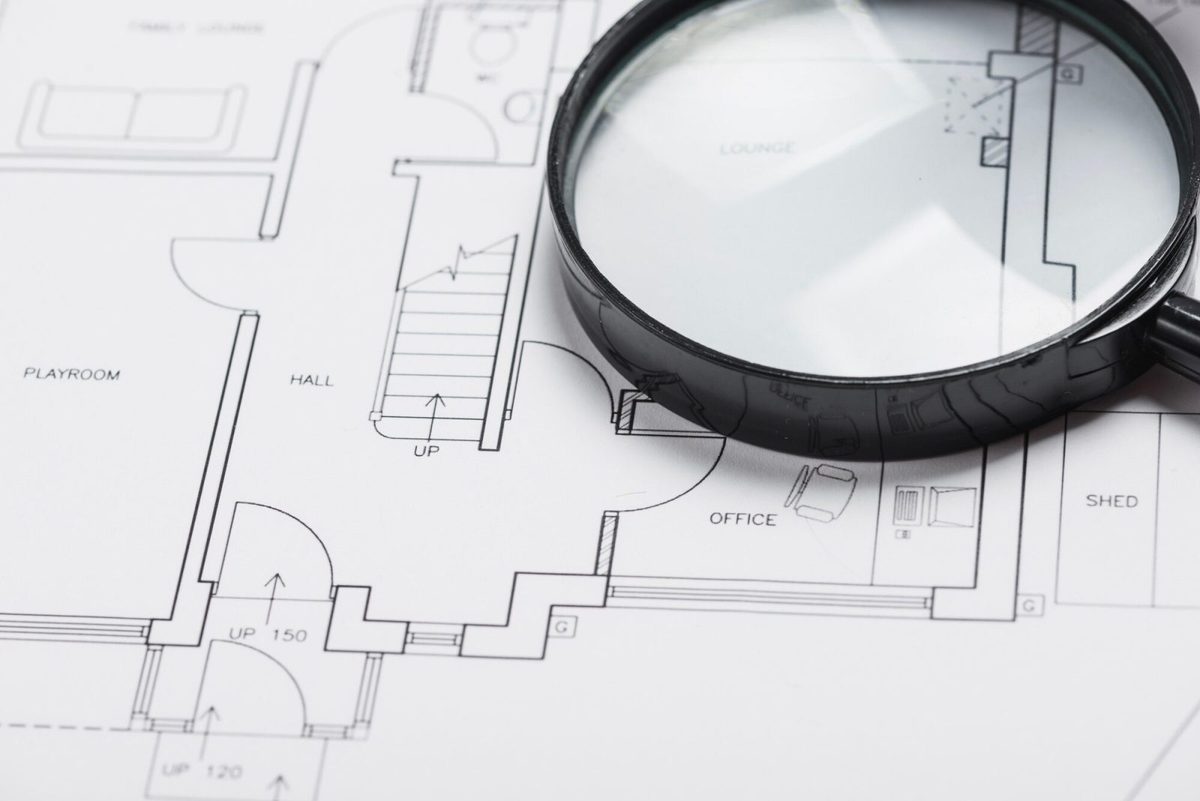
How An Application Reaches An Examiner Of Patents
After filing, the USPTO classifies the application by technology and assigns it to a group of examiners who work in that field. One examiner then takes the case and handles it through examination.
That examiner has a limited amount of time for each application, so the work follows a set order: read the claims, search, compare, and either allow the claims or issue an Office Action.
The examiner is not hunting for reasons to refuse. The job is to apply the statutory requirements consistently, and an application that is easy to read is easy to apply them to.
How An Examiner Of Patents Reads Your Application
The claims come first. They define what the applicant asks to own, so they control the search and every finding that follows.
During examination, the examiner gives each claim term its broadest reasonable interpretation that is consistent with the description. A term with several possible meanings is read in the widest way, which is why one loose word can pull in references the applicant never had in mind.
The description and drawings come second. The examiner reads them to understand the terms and to confirm that every claimed feature has support. A well-organized application lets the examiner confirm that support quickly.
Why Claim Wording Shapes Every Check During Examination
Claim wording drives each check. A claim that recites “a system for managing data” leaves the examiner to read the phrase as widely as the description allows, which opens the door to references from many fields.
A claim that names the components, how they connect and what each one does narrows the reading. Narrow claims cover less ground, so the drafting choice is a trade between breadth and defensibility, and the right balance depends on the business goal for the filing.
Words of degree, such as “substantially” or “about”, need anchors in the description that explain how much is meant. Without an anchor, the examiner may treat the term as indefinite.
Dependent claims add detail one step at a time. Each narrower claim gives the examiner an easier path to allowance if the broadest claim is cited against, which is why layered claim sets matter.
The Patentability Checks An Examiner Of Patents Runs
Four checks apply to nearly every utility application. Each one asks a different question of the claims.
Eligibility Screen
The first screen asks whether the claim falls into a category the patent system covers and whether it is directed to an abstract idea, a law of nature or a natural phenomenon. If it is, the examiner looks for something more in the claim, such as a specific technical improvement. Software claims meet this screen most often, and the same logic applies across the utility patents filed in modern industries.
Novelty Comparison
For novelty, the examiner compares the claim to each earlier reference one element at a time. Each element in the claim is matched to a passage in a single reference. If every element finds a match, the claim is not new.
This element-by-element method shows why precise claim language matters. A claim with one distinguishing element that no reference shows survives this check.
Nonobviousness Reasoning
When no single reference matches, the examiner may combine two or more. The examiner must explain why a skilled person would have combined them and why the combination would have worked.
That explanation is where an application’s description helps or hurts. Technical detail on why the claimed approach solves a problem the references leave open gives the applicant material for a reply.
Description and Claim Clarity
The last check turns to the application itself. The examiner confirms that the description supports each claim, that a skilled reader could make and use the invention from it, and that every claim term is definite.
How Examiners Search The Prior Art
Searching takes up much of an examiner’s effort. Examiners search by classification, which groups patents by technology, and by keywords drawn from the claims. They search earlier patents and published applications, and they search technical papers and other non-patent literature.
The search follows the claims, so broad claims bring a wider set of references. Narrower, precise claims bring a smaller set that is easier to distinguish.
A search is only as good as the terms available. Consistent vocabulary in the application helps the examiner find the right references, and helps the applicant predict which ones will appear.
Applicants also contribute. The duty of candor requires disclosure of known information that matters to patentability, and an Information Disclosure Statement is the usual way to submit it. Submitting known references early keeps the record complete and helps the examiner focus on the closest ones.
Formalities And Other Details During Patent Prosecution
Besides the substantive checks, the examiner confirms that the application is in proper form. The usual items are listed below.
- Inventor declarations and ownership paperwork in order.
- Drawings that show every claimed feature, with consistent reference numbers.
- A title and an abstract that fit the invention.
- Claims that depend on one another in a clear way.
- Overlap with the same inventor’s other applications, which can raise double patenting.
The examiner may also issue a restriction requirement when one application claims inventions that are distinct from each other. The applicant elects one group to pursue first, and the others can be filed separately.
What Happens When The Examiner Finishes
The result is either an allowance or an Office Action that explains what stands in the way. An allowance may include a short statement of why the examiner found the claims patentable.
An Office Action opens a dialogue. Applicants answer in writing, and the examiner reconsiders. The mechanics of replying are a subject for another article, but the examiner’s checks above explain what each reply has to address.
Examiner and applicant share one practical goal: claims that are clear, supported and distinct from the earlier references. Seen that way, each Office Action is a list of places where the application did not yet meet that standard.
How To Prepare For An Examiner Of Patents
Preparation follows the examiner’s own routine. Work through these steps before filing.
- Search the prior art first, so the claims start from the closest known work.
- Write claims in layers, with broad claims backed by narrower ones.
- Define each claim term in the description and keep the wording consistent.
- Describe the technical problem and the solution in concrete detail.
- Match the drawings to the claims, and number the parts consistently.
- List known references for the Information Disclosure Statement.
Review the application once more as an examiner would: pick one claim, list its elements, and find the passage in the description that supports each. A gap found at this stage costs far less than a gap found during examination.
Businesses that file on a regular schedule gain the most from this routine. The same drafting standards across every application give examiners a familiar, clear structure each time, and a patent prosecution lawyer can carry those standards through the full process.
For a wider view of what each filing protects, see the overview of the types of patents.
Frequently Asked Questions
What does a patent examiner do?
A patent examiner is a USPTO employee who tests each claim of an assigned application against the legal requirements for a patent and records the result in writing. Applicants hear from the examiner through those written actions, so the application has to explain itself on the page. Ask a patent attorney to confirm that the application reads cleanly for a reader with limited time.
Does an examiner read the whole description or only the claims?
The examiner reads both, starting with the claims. A term defined in the description carries that meaning into the claims, for better or worse. Keep terminology consistent from the first page to the last, because a term used two ways invites the examiner to choose the wider meaning, and the examiner then checks that each claimed feature has support in the written text.
Does the examiner test whether the invention works?
The examiner does not build or test the invention. The review covers the written application, including whether a skilled reader could make and use what is claimed. A working prototype is therefore not a filing requirement, but the description must be detailed enough to support each claim without relying on guesswork.
What is a restriction requirement?
A restriction requirement is a notice that the application claims more than one distinct invention. The applicant elects one group to examine first, and the other groups can be pursued in separate applications. Plan for it by grouping claims around a single inventive concept, and ask a patent attorney how to organize related inventions before filing.
Before the next application goes in, ask a patent attorney at Stanzione & Associates, PLLC to review it as an examiner would, and call now for your free 15 minute consult at (202) 349-1124.


